The Lab
-

Harold Cannon, DPhil student
Microbial communities are stongly shaped by the chemical environment and, in turn, can shape the chemistry of their surroundings. Harold employs mass spectrometry and other methods to study the map between the biology and chemistry of microbial communities.
-

Dr Jie Deng, Postdoctoral Fellow
Many microbial communities, including the human gut microbiome, experience continual changes in growth conditions. Jie is developing theory to understand why some communities are robust to such changes, while others are extremely sensitive.
-
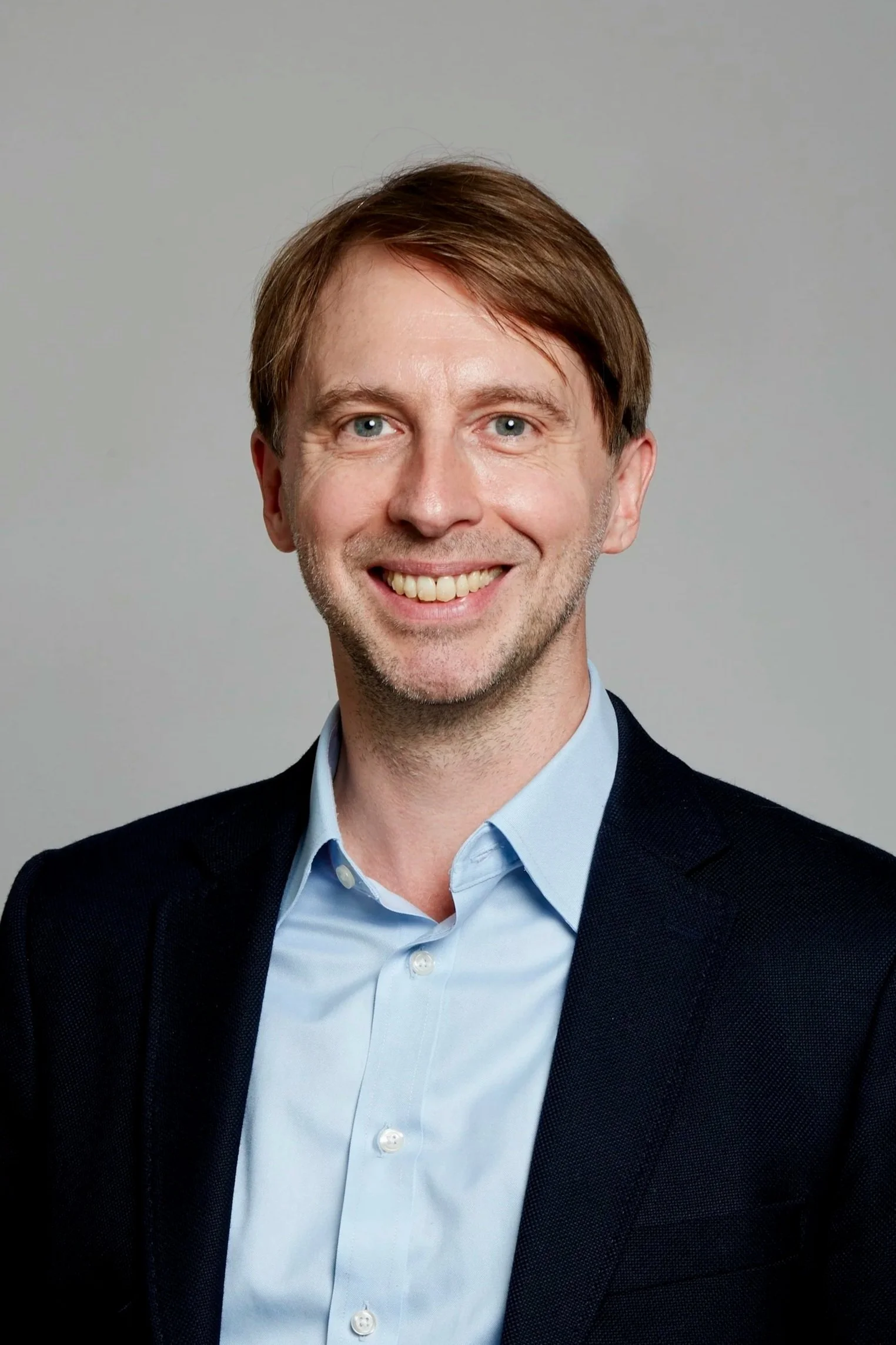
Kevin Foster FRS, Professor of Microbiology
Kevin trained in ecology and evolution and applies ideas from these fields to the study of microbial communities, with a particular focus on the human gut microbiome.
-
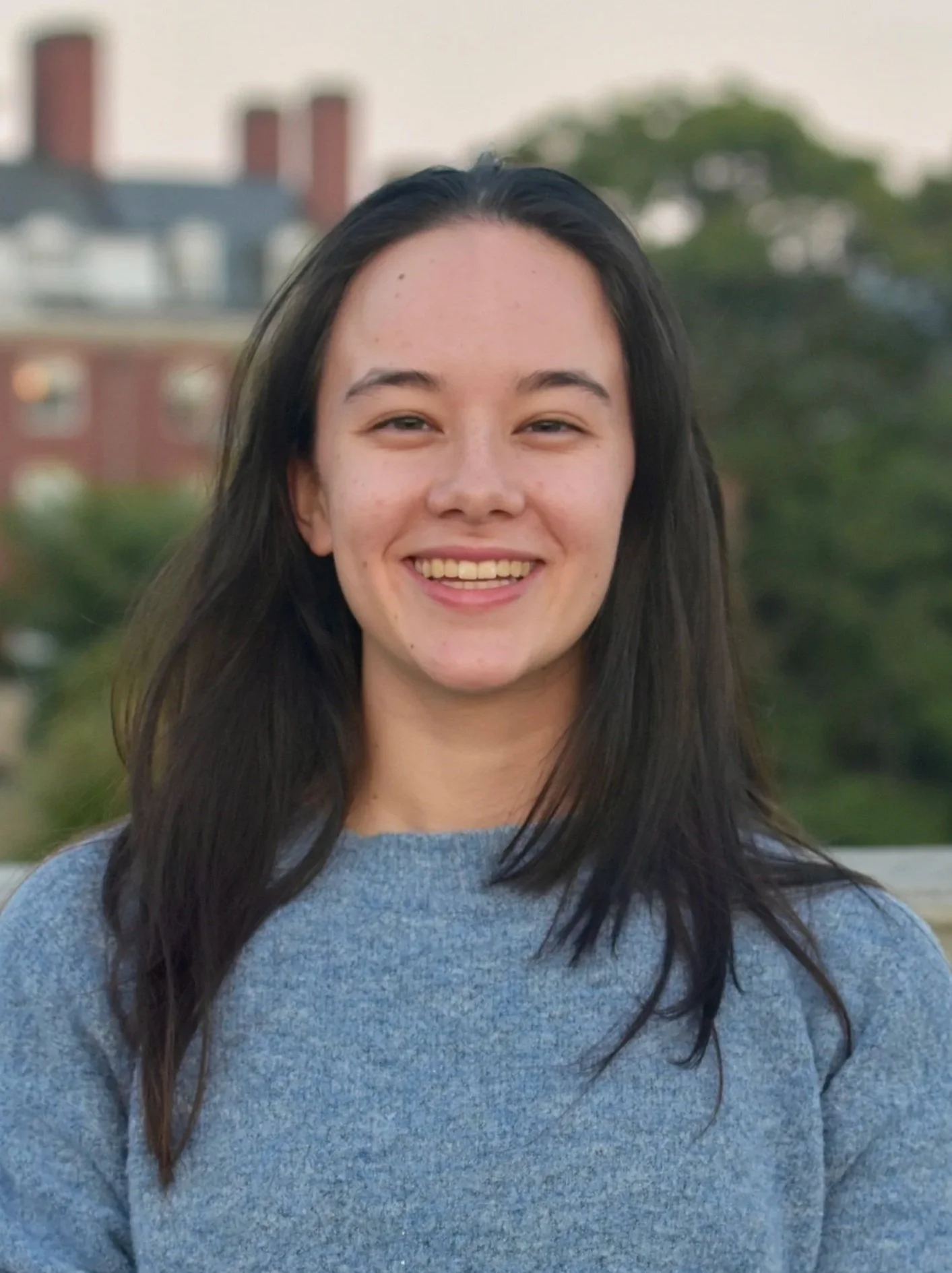
Mira-Rose Kingsbury Lee, DPhil student and Rhodes Scholar
Like mammals, birds harbour a diverse community of bacteria in their gut microbiome that protect them against disease. Mira Rose studies the ecological basis for this colonisation resistance using chickens as a tractable and economically-important model system.
-
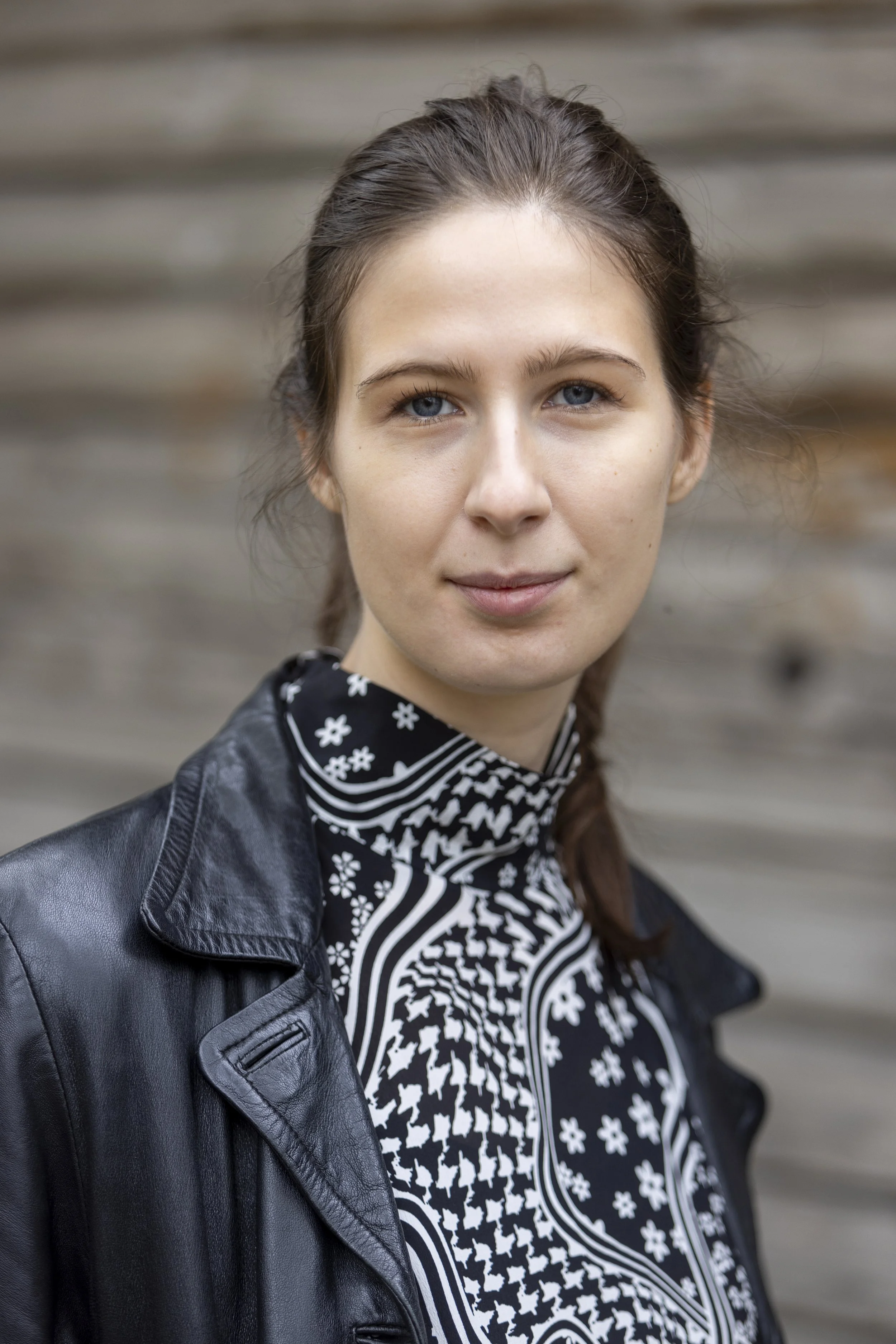
Signe Lagercrantz, DPhil student
Our epithelial surfaces form the critical barrier between our tissues and our microbiome. Signe uses theoretical methods, including agent-based modelling, to study microbiome communities. A key question is how mucus production affects community composition and function.
-

David Lanster, DPhil student
Competition over nutrients and via toxins often determines the ecological success of bacteria. David is developing ways to engineer these forms of competition to control microbiomes.
-

Sylvester Lim, DPhil student
Gut bacteria compete over nutrients with incoming pathogens, which can prevent pathogens from causing infections. Sylvester studies how this competition with members of the gut microbiome suppresses the pathogen Shigella sonnei.
-
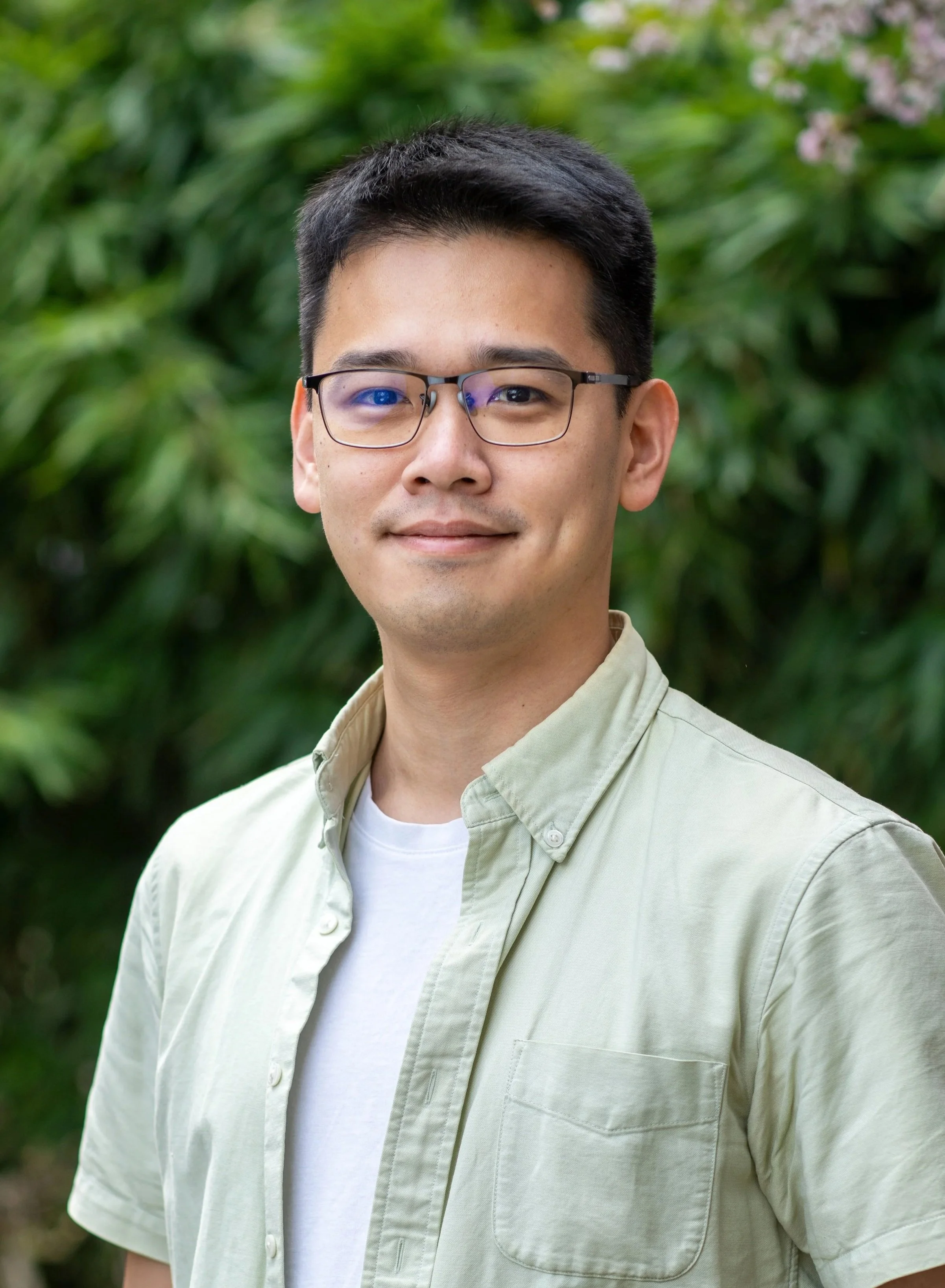
Dr Ming Liu, Postdoctoral Fellow
A key focus in theoretical ecology is what defines ecological stability, but this is often studied using abstract models that are hard to test. Ming is studying ecological stability using more realistic models that can be tested empirically.
-
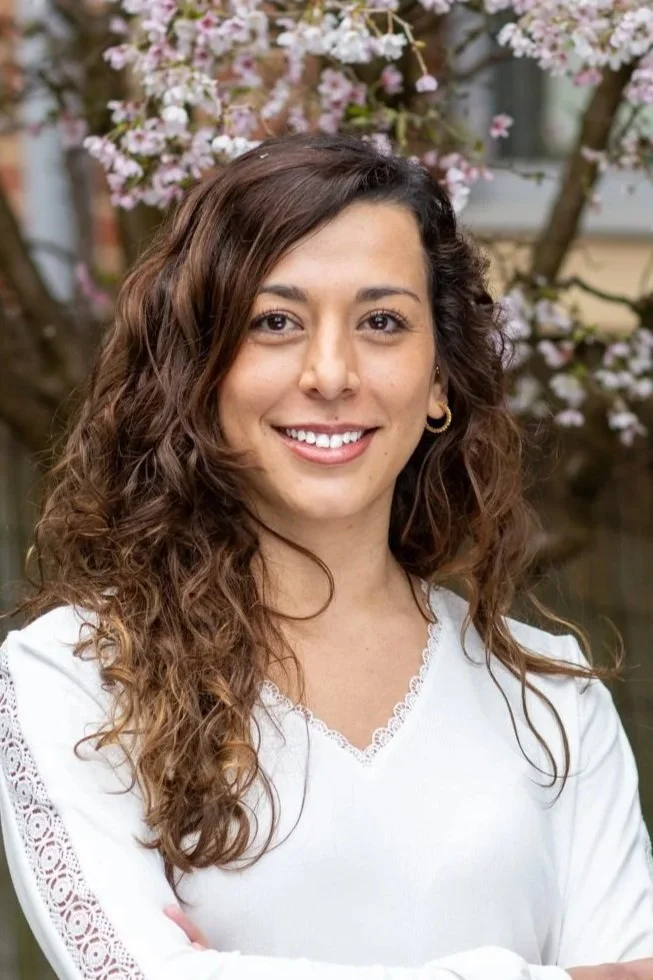
Dr Jazmin Meza Torres, Postdoctoral Fellow
The key interface in the human gut microbiome occurs at the epithelial surface where host cells secrete mucous and other factors that influence the microbes. Jazmin is developing in-vitro cell culture models to study the ecological dynamics at this interface for the first time.
-

Dr Louise Pankhurst, Laboratory Manager
Microbiome science involves a diversity of empirical and computational methods. Louise develops and refines microbiome methods including the application of next generation sequencing. Louise is also the spearhead of the lab’s sustainability, resulting in a LEAF gold award.
-

Vit Piskovsky, DPhil student
The ways that bacteria grow and compete over nutrients is central to their communities and the ways that they affect us. Vit is developing a new body of metabolic and ecological theory to better understand and predict microbial communities.
-
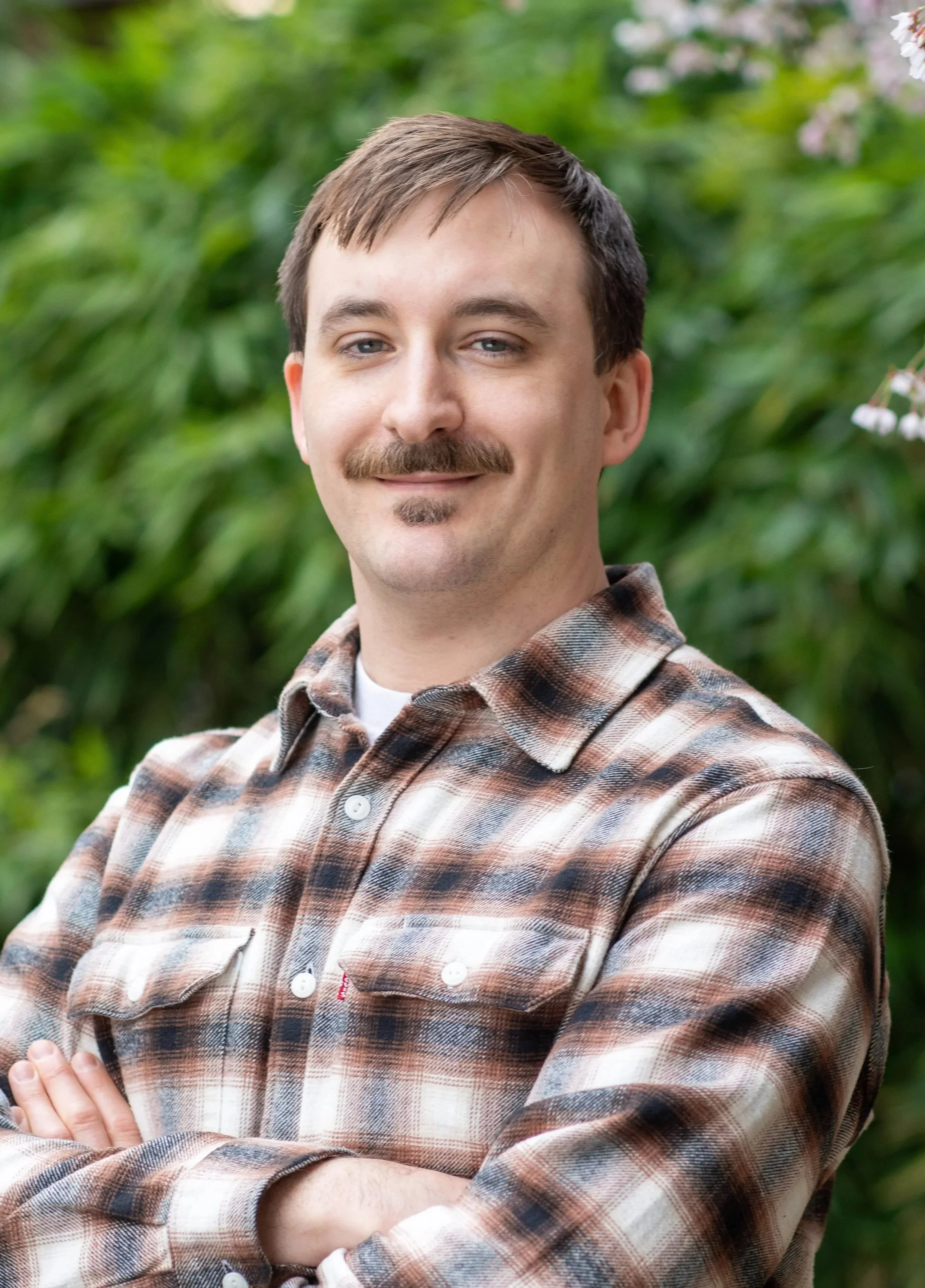
Dr Andrew Rogers, Postdoctoral Fellow
The bacteria of the human gut microbiome protect us against many pathogens. Andrew studies how this protection arises and the role of bacterial metabolism in competition between resident bacteria and pathogens.
-

Anna Schwarzenbach, DPhil student
Many bacteria make toxins that kill other strains and species. We are interested in using toxin-producing bacteria to target and kill bacterial pathogens. Anna is developing ways to evolve potent pathogen-killing bacterial strains.
-

Milan Sobota, DPhil student
Metabolism determines whether a given bacterial species can grow in a given environment, and provides a way to predict the composition and functioning of microbiome communities. Milan is developing new ways to infer bacterial metabolism and ecological niche from their genomes.
-
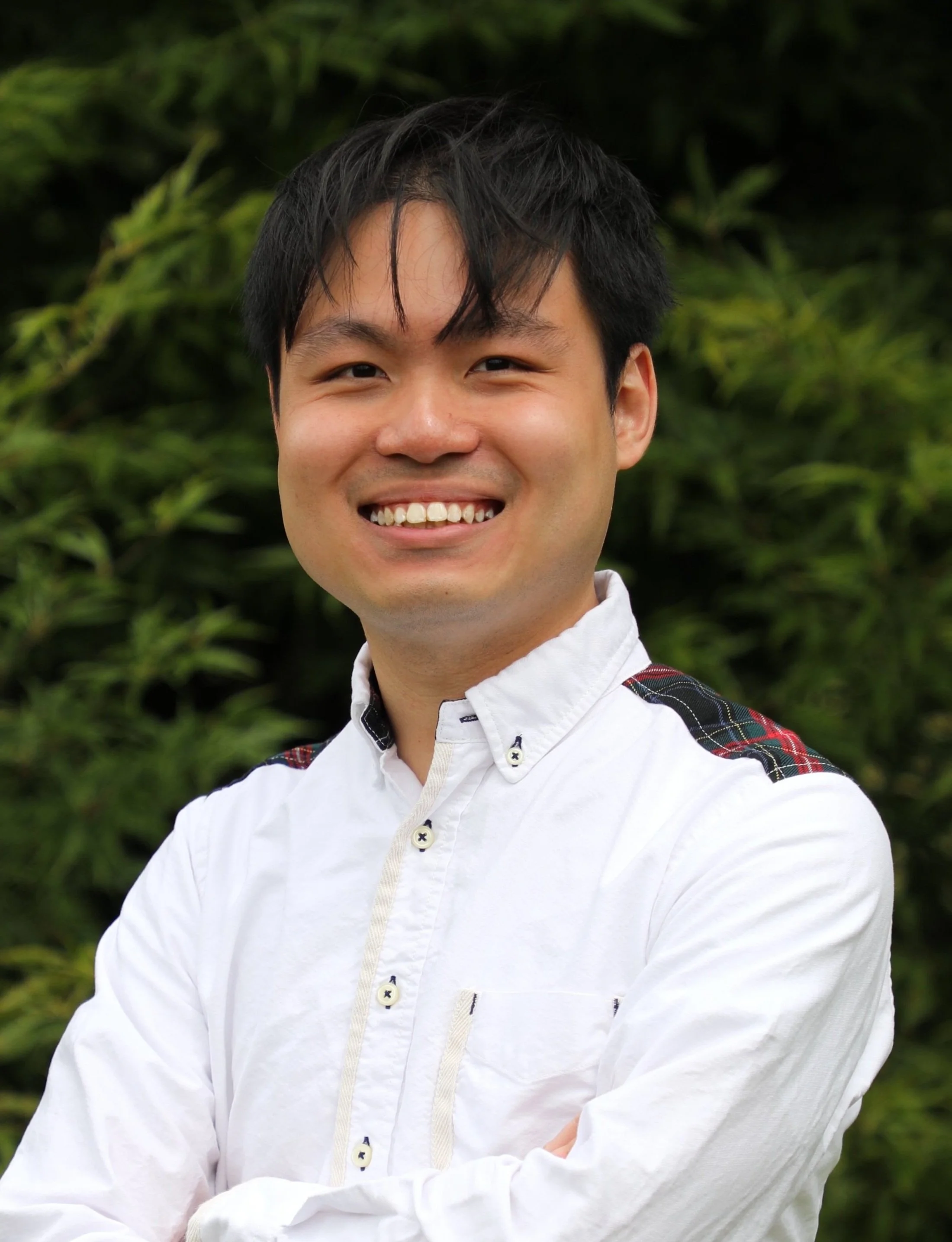
Ryan Teo, DPhil student
Antibiotics can be a powerful way to treat bacterial infections. However, antibiotics can also harm the beneficial bacteria in our microbiome. Ryan is developing new antibiotics and testing them against both pathogens and our microbiome.
-

Dr Xuedan (Holly) Wang, Postdoctoral fellow
Our gut microbiome contains a diverse set of bacterial species. The ways that these species interact ecologically can be critical for the functioning of the microbiome. Holly studies the ecological interactions within the human gut microbiome to understand their sign, strength and impacts.
-
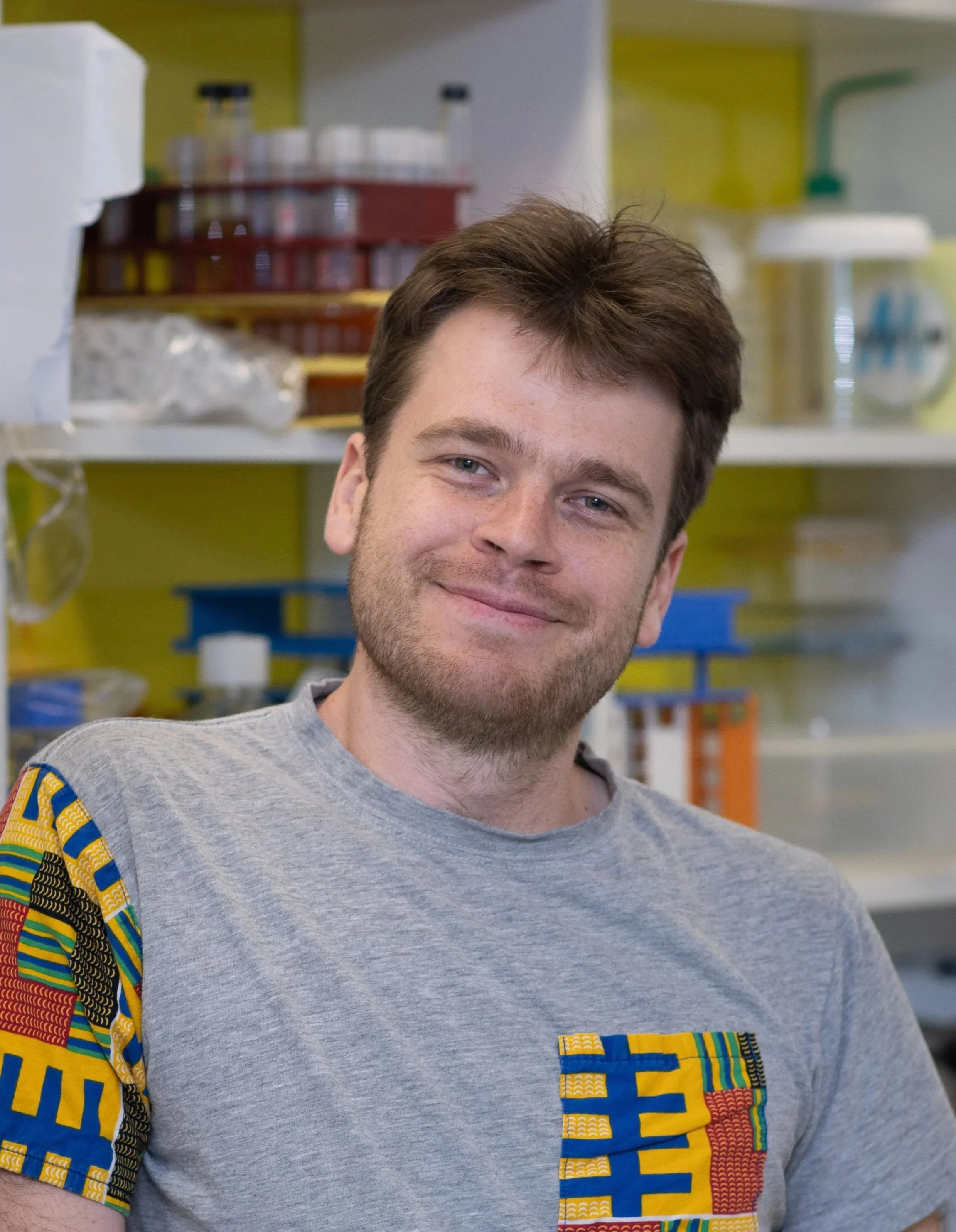
Dr Jacob Wilde, Postdoctoral Fellow
Hosts control their microbiomes in many ways, and we can leverage these strategies for better health. Jacob studies how secreted antibodies discourage and encourage colonisation in the gut.
-
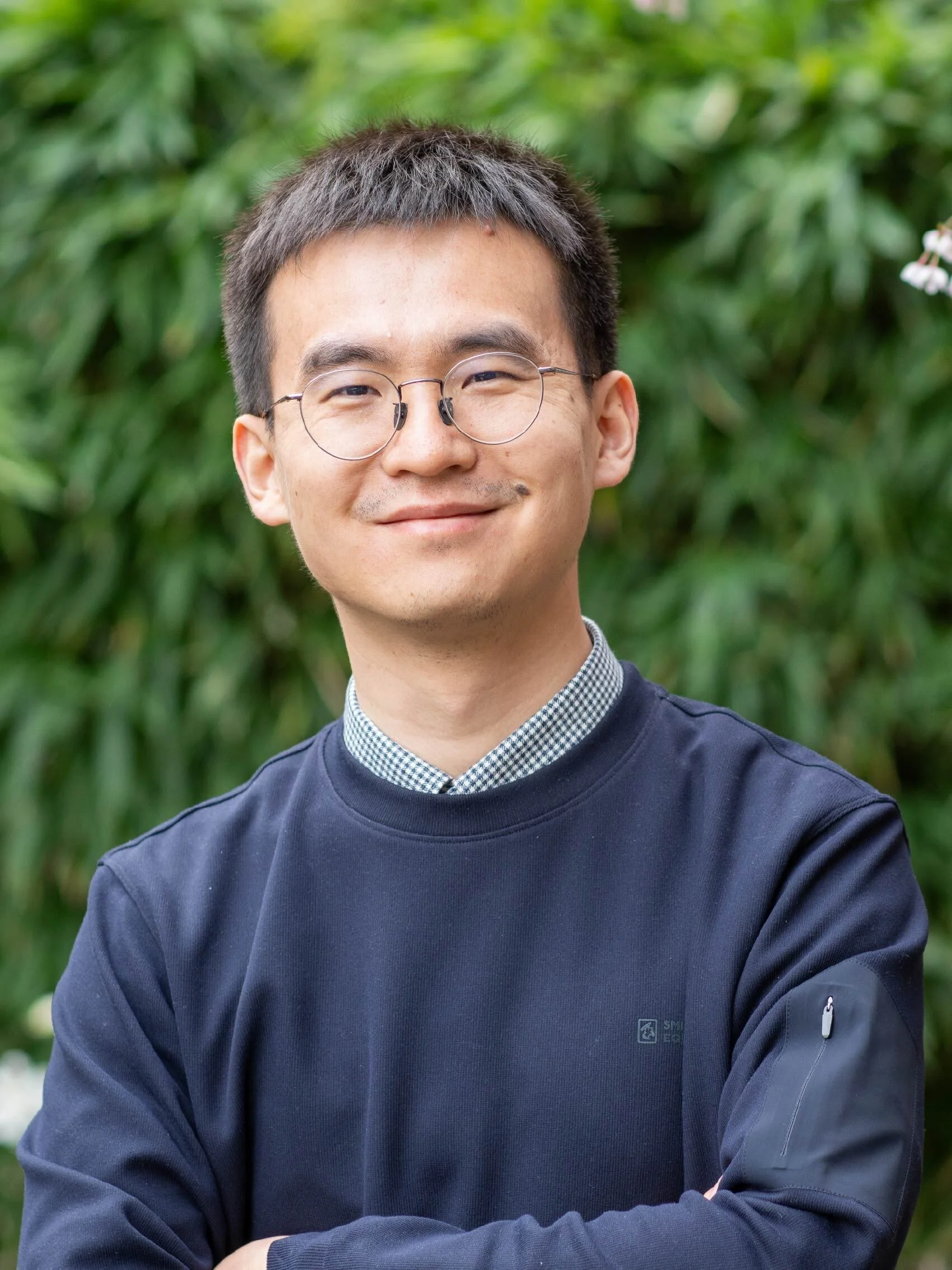
Dr Yuguang Yang, Postdoctoral Fellow
What determines the persistence of complex ecological systems is a key question in ecology. Yuguang develops mathematical theories to understand how interaction, temporal, and spatial structure shape persistence through the lens of stability, reactivity, and invasibility.ption goes here